

Hard-to-Fit Contact Lenses: What Are Your Options When Regular Contacts Don’t Work?

Hard-to-Fit Contact Lenses: What Are Your Options When Regular Contacts Don’t Work?

Hard-to-Fit Contact Lenses: What Are Your Options When Regular Contacts Don’t Work?
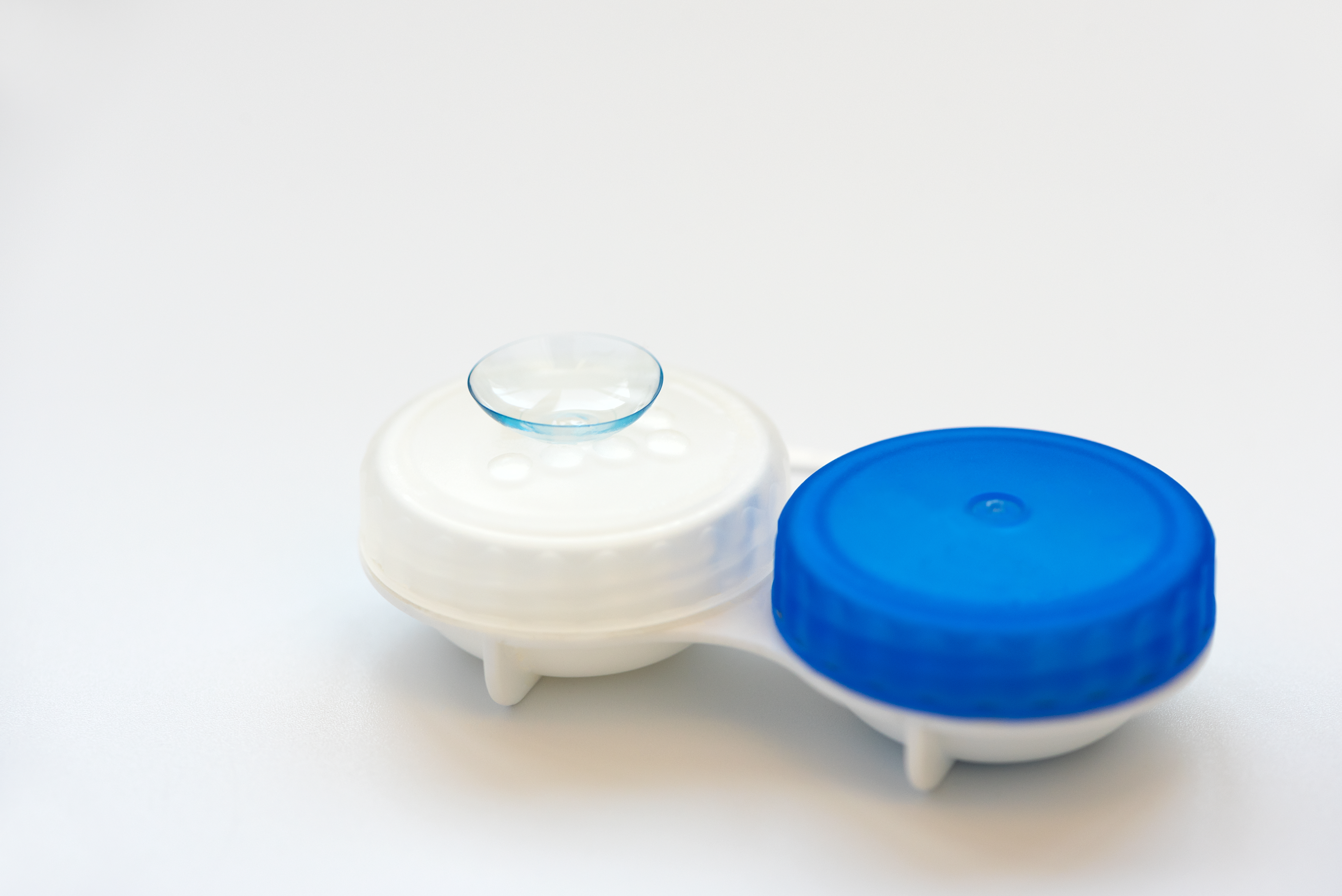
For many people, standard soft contact lenses provide clear, comfortable vision. However, certain eye conditions, prescription needs, or corneal shapes can make regular contacts uncomfortable or ineffective. Being considered "hard to fit" does not necessarily mean you cannot wear contact lenses. It may simply mean you need a more customized lens and fitting process.
What Makes Someone Hard to Fit for Contact Lenses?
Contact lenses must work with the unique shape, health, and focusing needs of your eyes. When standard lenses do not fit properly or provide consistent vision, we may need to explore other options.
Some common reasons a patient may need hard-to-fit contact lenses include:
- Astigmatism
- Keratoconus or an irregular cornea
- Dry eye
- Giant papillary conjunctivitis, or GPC
- Presbyopia and age-related near vision changes
- Difficulty achieving clear or stable vision with traditional soft lenses
A detailed contact lens evaluation can help us determine what is causing the problem and which type of lens may provide a better fit.
Gas Permeable Lenses for Irregular Corneas
Gas permeable, or GP, lenses are firmer than traditional soft contacts and maintain their shape on the eye. This can create a smoother optical surface and provide sharper vision for certain patients with irregular corneas or keratoconus.
Because GP lenses do not absorb material in the same way soft lenses do, they may also be considered for some patients who experience issues with deposits on their contacts.
Scleral Lenses for More Complex Fitting Needs
Scleral lenses are larger rigid lenses that rest on the white part of the eye rather than directly on the cornea. They vault over the corneal surface and hold a reservoir of fluid between the lens and the eye.
This design can make scleral lenses particularly useful for patients with keratoconus, irregular corneas, or certain severe dry eye conditions. The customized fit can provide both stable vision and improved comfort for patients who have struggled with other contact lenses.
Toric Lenses for Astigmatism
Astigmatism occurs when the cornea or lens has an irregular curvature, which can cause blurred or distorted vision. Toric contact lenses are designed to correct this type of prescription while remaining properly positioned on the eye.
Some patients can wear readily available toric lenses, while others may require a more customized design for their specific degree or type of astigmatism.
Multifocal and Monovision Contact Lenses
Presbyopia typically develops after age 40 and makes focusing on nearby objects more difficult. Bifocal or multifocal contact lenses can provide vision correction at multiple distances.
Monovision is another option in which one eye is primarily corrected for distance and the other for near vision. We can evaluate your visual needs and determine which approach may work best for your daily activities.
Finding the Right Lens Starts With the Right Fit
Hard-to-fit contact lenses require more than choosing a prescription. We carefully evaluate your eye health, corneal shape, vision needs, and previous contact lens experiences before recommending an option. Follow-up adjustments may also be needed to improve comfort, clarity, and lens performance.
If regular contacts have not worked for you, schedule a specialty contact lens evaluation with West Texas Eyecare in Pecos, TX at (432) 445-3662 and discover a more personalized approach to clear, comfortable vision.


MAP
Powered by: 